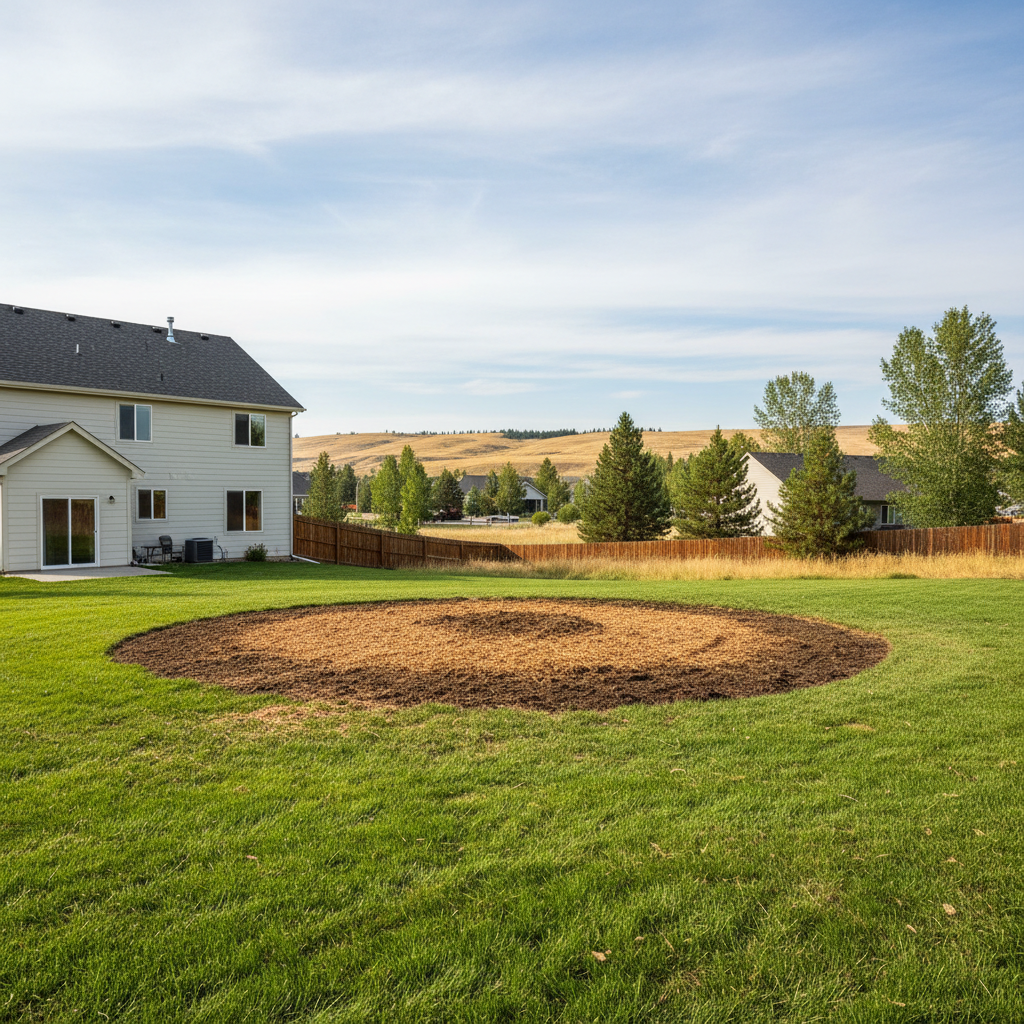
So, you've had a tree removed. Maybe it was a hazard, maybe it was diseased, or perhaps you just needed the space. Whatever the reason, you're probably looking at a bare spot, or at least a stump, and wondering what comes next. A lot of folks think once the tree's down, the job's done. But that's not always the case, especially if you want to make sure you don't run into future headaches.
Extending the Life of the Work: What Happens After the Tree is Gone?
When I talk about 'extending the life of the work,' I'm really talking about making sure the removal was a permanent solution. It's about setting your yard up for success. The biggest thing here is dealing with the stump. If you didn't get stump grinding done, you've still got a stump. And that stump can be a real pain. It's an eyesore, a tripping hazard, and it can attract pests like carpenter ants or termites, which you definitely don't want near your Meridian home.
Grinding that stump down below grade is usually the best bet. It removes the bulk of the wood, allowing you to plant grass or something else over it. If you leave it, it'll slowly decompose, but that takes years, and like I said, it's a pest magnet. Plus, sometimes, especially with certain species like Black Locust or some poplars, you'll get suckers sprouting from the roots if the stump isn't treated or removed properly. You don't want a dozen little trees popping up where one big one used to be, do you?
Another thing to consider is the soil. A large tree sucks up a lot of nutrients and water. When it's gone, that soil might be depleted. You might need to amend it with some compost or fresh topsoil, especially if you're planning on planting something new there. This is particularly true in some of our newer subdivisions with that heavy clay soil; it needs all the help it can get.
Regular Maintenance: Keeping Things Clean and Clear
Once the stump is gone and the area is prepped, your regular maintenance is pretty straightforward. But it's important not to neglect it. Here's what I usually tell folks:
- Watch for Regrowth: Even after grinding, some root systems are incredibly persistent. Keep an eye out for any small sprouts coming up from the ground, especially in the first year or two. If you see them, cut them back immediately. Persistent ones might need a dab of herbicide on the cut surface, but be careful with that stuff.
- Monitor the Soil: If you've planted new grass or shrubs, make sure they're getting enough water. The old tree isn't there to compete anymore, but the soil might still be adjusting.
- Keep the Area Clean: Don't let debris pile up. Old wood chips or leaves can harbor pests or create an environment for unwanted weeds. A clean area is a healthy area.
- Check for Settling: If a very large tree was removed, and especially if the stump was ground deep, you might see some settling in the soil over time as the remaining roots decompose. You might need to add a bit more soil to level things out.
Warning Signs of Problems: What to Look For
You've done the work, but sometimes things don't go exactly as planned. Here are some red flags that tell you something might be off:
- Excessive Sucker Growth: A few sprouts are one thing, but if you're constantly battling dozens of new shoots from the old root system, it means the stump wasn't fully neutralized. This is common with some aggressive species.
- Pest Infestations: If you see ants, termites, or other wood-boring insects congregating around the old tree site, especially if there's still a stump or large root pieces left, that's a problem. They're looking for decaying wood.
- Mushrooms or Fungi: While some fungi are harmless, a sudden flush of mushrooms or shelf fungi around the old tree's footprint can indicate decaying wood underground. This isn't necessarily bad, but it means the decomposition process is active and could be attracting other issues.
- Unusual Odors: A strong, musty, or unpleasant smell could point to anaerobic decomposition or a fungal issue that's gotten out of hand.
When to Call a Professional
Look, a lot of this post-removal care you can handle yourself. But there are definitely times when it's smarter, and safer, to call in the pros. Here's when I'd say pick up the phone:
- Persistent Regrowth: If you're fighting a losing battle with suckers and sprouts, especially if they're coming up in places you don't want them — like under your driveway or near your foundation — we can help with more targeted treatments.
- Major Pest Problems: If you suspect termites or other serious wood-destroying pests are setting up shop in the old tree site, you need a pest control expert. We can also advise on the best way to remove any remaining wood that's attracting them.
- Large Cavities or Sinkholes: If the ground starts to sink significantly where the tree used to be, creating a hazard, you might need professional help to fill and compact the soil properly.
- Planning New Plantings: If you're looking to put in a new, significant tree or a whole garden bed where the old one was, we can assess the soil, recommend amendments, and even help with proper planting techniques to give your new greenery the best start. We've seen a lot of yards around Meridian, from the older homes near Cherry Lane to the newer builds out by Ten Mile, and we know what works in our local conditions.
- Anytime You're Unsure: Seriously, don't guess. If you're scratching your head about what to do next, or if something just doesn't look right, it's always better to get a professional opinion. A quick call to Allgreen Tree Service Meridian can save you a lot of grief and money down the road. We're happy to take a look and give you an honest assessment.
Taking care of your yard after a tree removal isn't just about tidiness; it's about preventing future problems and making sure your landscape stays healthy and beautiful. Don't just chop and forget; a little attention now goes a long way.