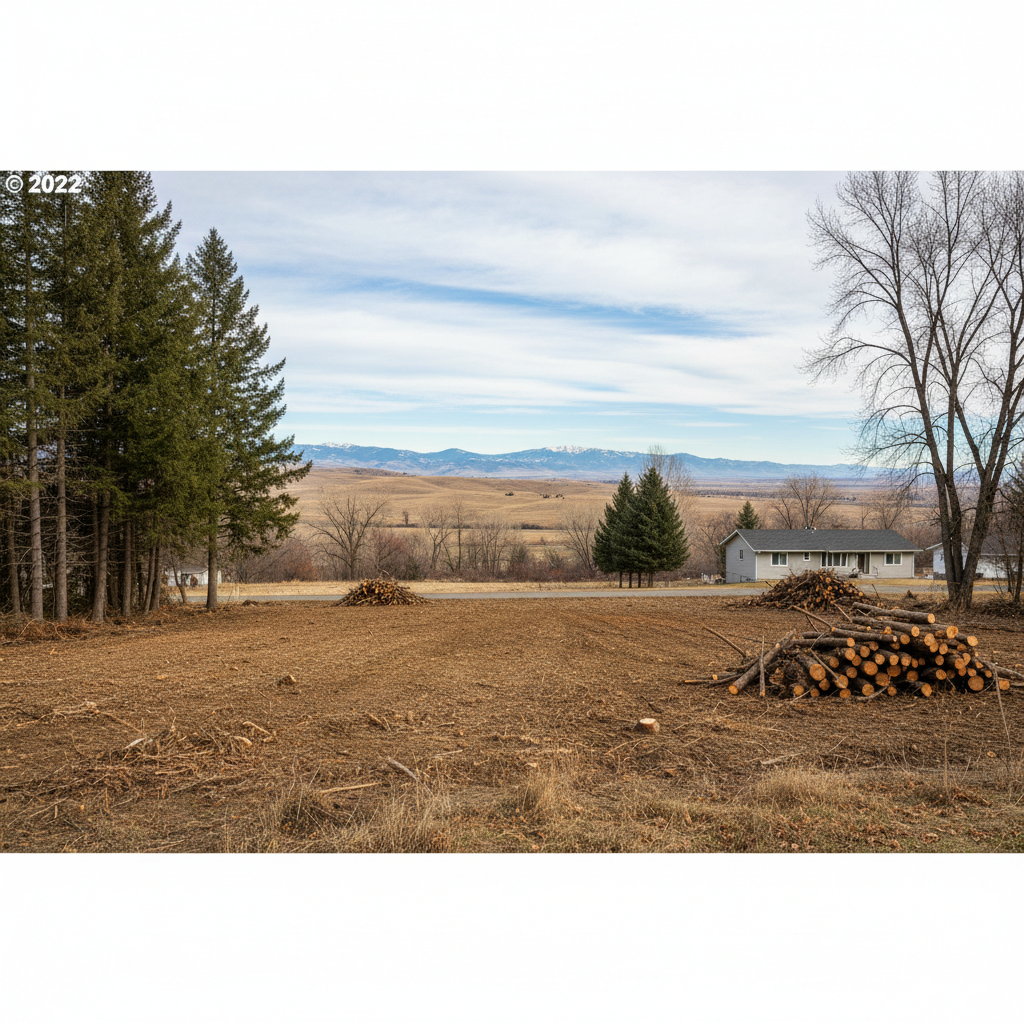
You've got a piece of land in Meridian, maybe it's overgrown, maybe you're planning a new build, or maybe you just want to reclaim some space. Lot clearing isn't just about hacking down trees; it's a strategic move, and when you do it makes a big difference, especially with our Idaho weather.
Understanding Meridian's Seasons for Clearing
Our climate here in Meridian is pretty distinct, isn't it? We get those hot, dry summers and then the cold, often snowy winters. This seasonal swing directly impacts when you should be thinking about clearing land and what kind of work is actually possible.
- Winter (Late Fall to Early Spring): This is often the best time for major lot clearing. Why? A few reasons. First, deciduous trees are dormant, so they're not actively growing, and their leaves are gone. This makes assessing the area easier and reduces the mess. Second, the ground is often frozen or at least firm from the cold. This means heavy equipment, like excavators or stump grinders, can move around with less impact on the soil. You won't get those deep ruts that happen when you're working on soft, muddy ground. Plus, with the ground frozen, there's less chance of compacting the soil, which is a big deal for future growth. We see a lot of folks in areas like the North End of Meridian, where properties can be older and more established, taking advantage of these winter months for big projects.
- Spring (Late March to May): As things thaw out, the ground can get pretty wet and muddy. This isn't ideal for heavy machinery. It's also when a lot of wildlife starts nesting, so you want to be extra careful about disturbing habitats. If you're doing lighter clearing, like brush removal or smaller saplings, spring can work, but for big jobs, you're better off waiting or doing it earlier in winter.
- Summer (June to August): It's hot, it's dry, and fire risk is high. Clearing during peak summer means you're dealing with a lot of dust, and any sparks from equipment can be dangerous. Plus, the heat is tough on crews and equipment. We try to avoid major clearing jobs in the dead of summer unless it's absolutely necessary, like for emergency fire breaks.
- Fall (September to November): This can be a good shoulder season. The ground is usually drier than spring, and temperatures are cooler. Leaves are falling, making assessment easier again. It's a decent second-best option if winter isn't feasible for your schedule.
Weather Conditions That Affect the Work
Beyond just the season, specific weather conditions play a role. Heavy rain, obviously, makes the ground soft and can turn a job site into a mud pit. High winds can be dangerous when felling trees. Snow isn't usually a problem unless it's really deep and makes access difficult. What we really watch out for is that freeze-thaw cycle. When the ground freezes solid at night and then thaws during the day, it can create incredibly messy, unstable conditions. That's why consistent cold in winter is actually better than fluctuating temperatures.
Protecting Your Investment Year-Round
Clearing a lot is a big investment, and you want to make sure the work lasts and your property stays healthy. Here's what I tell folks:
- Stump Removal/Grinding: Don't just cut trees down and leave the stumps. They can be a tripping hazard, attract pests like termites, and can even resprout. Grinding them below grade is usually the best bet.
- Soil Health: After clearing, especially if you've had heavy equipment on site, consider amending your soil. Our soil here in Meridian can be pretty clay-heavy in some spots. Adding organic matter can help with drainage and nutrient retention, setting you up for whatever you plan next.
- Erosion Control: If you've cleared a sloped area, you'll need to think about erosion. Planting ground cover, laying down straw waddles, or even installing temporary silt fences can prevent your topsoil from washing away in our spring rains.
- Replanting Smart: If you're replanting, choose native or well-adapted species. They'll be more resilient to our local climate, requiring less water and maintenance in the long run.
- Regular Maintenance: Just because it's cleared doesn't mean it stays that way forever. Regular brush clearing and keeping an eye on invasive species will save you a lot of headache down the road.
Look, lot clearing is more than just removing trees; it's about managing your land for the long term. Getting the timing right and thinking about the aftermath makes all the difference. If you've got questions about a specific property or project here in Meridian, give us a call at Allgreen Tree Service Meridian. We've seen it all and we're happy to help you figure out the best plan.