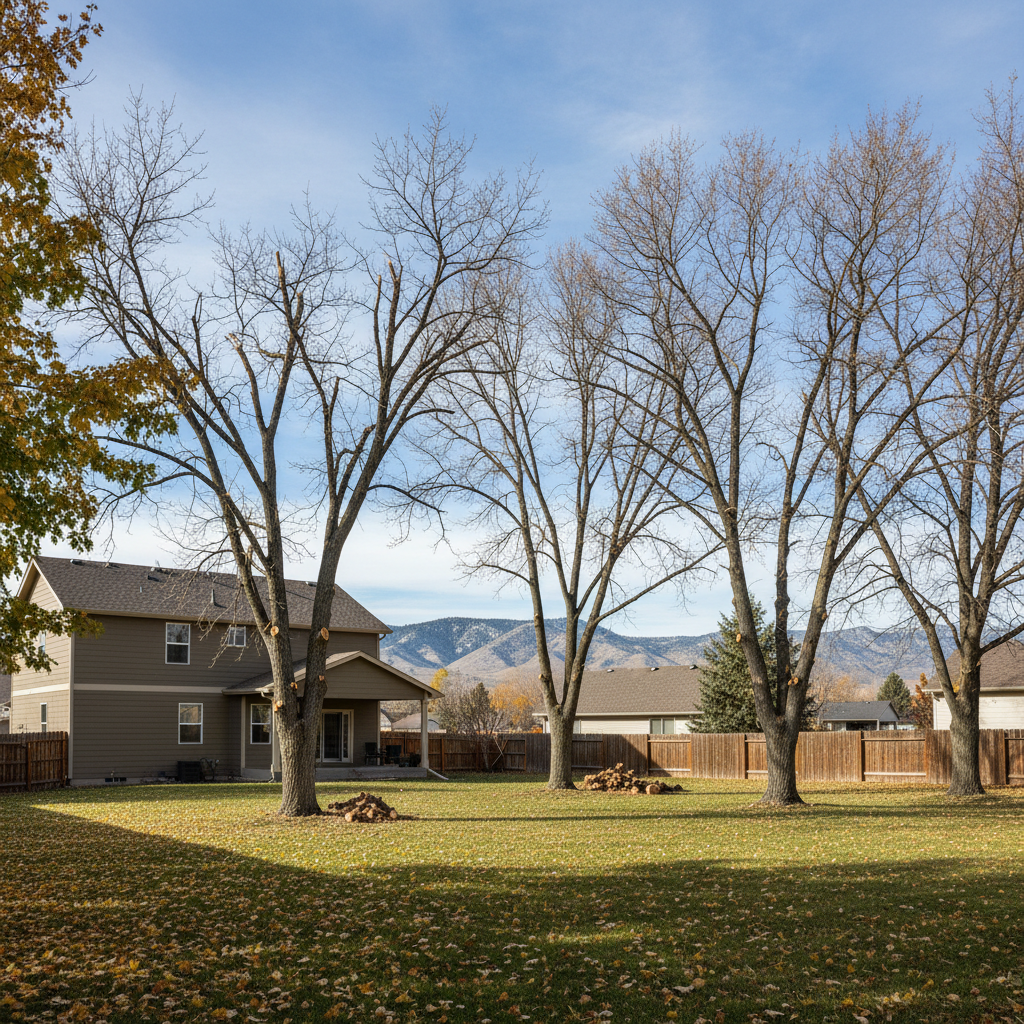
When's the best time to trim your trees here in Meridian? That's a question I get a lot, and it's a good one. It's not just about aesthetics; proper timing can make a huge difference in your tree's health, growth, and how well it handles our Idaho weather. As someone who's been working with trees around here for years, I've seen firsthand what works and what doesn't.
Why Timing Your Tree Trimming Matters
You wouldn't get a haircut right before a blizzard, right? Same idea for trees. Trimming at the wrong time can stress a tree, make it more vulnerable to disease, or even stunt its growth. The right time, though, encourages strong, healthy branches and helps the tree recover faster. It's all about understanding the tree's natural cycles.
The Best Times to Trim Your Trees in Meridian
Generally, there are a couple of prime windows for most deciduous trees (the ones that lose their leaves):
Late Fall to Early Spring (Dormant Season): This is usually the best time. Once the leaves have dropped and before new buds start to swell, the tree is dormant. Without leaves, it's easier to see the tree's structure and identify dead or diseased branches. Plus, there's less risk of disease transmission, and the tree isn't actively growing, so it's under less stress. This is also when most fruit trees get their big pruning.
Mid-Summer (for specific needs): Sometimes you need to do light pruning in the summer, especially if you're trying to remove water sprouts, suckers, or address branches that are rubbing. Just be careful not to remove too much foliage, as those leaves are crucial for photosynthesis and the tree's energy production during the growing season. Heavy pruning in summer can really stress a tree out.
Evergreen trees, like pines and spruces, are a bit different. They generally do best with light pruning in late winter or early spring, just before their growth spurt. You want to avoid cutting into the old wood too much, as it often won't regrow.
What Our Meridian Weather Means for Tree Work
Our climate here in Meridian, with those hot, dry summers and often snowy, freezing winters, definitely plays a role in when we can safely and effectively work on trees. Here's what I keep an eye on:
Freezing Temperatures: When it's really cold, especially below freezing for extended periods, branches can become brittle. This makes them more prone to snapping during trimming, which isn't safe for the tree or the crew. Plus, wounds heal slower in the cold, leaving the tree exposed longer.
Snow and Ice: You can imagine why heavy snow or ice makes tree work dangerous. It's slippery, visibility is low, and the weight of the snow can make branches unpredictable. We typically won't schedule major work during active heavy snowfall or icy conditions.
High Winds: Wind is a big one. Even on a clear day, strong gusts can make climbing and operating equipment incredibly risky. It's not just about us; it's about controlling where branches fall and making sure they don't hit anything important.
Summer Heat: While we can work in the summer, extreme heat can be tough on both the crew and the tree. We'll often start earlier in the day to beat the worst of it, and we're always mindful of the tree's stress levels.
The clay soil we often see around Meridian can also affect tree health. If it's too compacted or holds too much water, it can stress roots, making trees more susceptible to issues. Proper drainage and sometimes even soil amendments can help keep those roots happy, which in turn makes the tree more resilient to trimming.
Protecting Your Investment Year-Round
Your trees are an investment, both financially and for the beauty and shade they add to your property. Here's how you protect that investment beyond just trimming:
Regular Inspections: Walk around your yard a few times a year. Look for dead branches, strange growths, or discolored leaves. Catching problems early can save you a lot of headache and expense down the road.
Proper Watering: Especially during our dry Meridian summers, make sure your trees are getting enough water. Deep, infrequent watering is better than shallow, frequent watering. Young trees need more attention here.
Mulch, Not Volcanoes: A nice layer of mulch around the base of your tree helps retain moisture, regulate soil temperature, and suppress weeds. Just keep it a few inches away from the trunk – no mulch volcanoes, please!
Professional Help: For anything more than small, easy-to-reach branches, call in the pros. We've got the training, the equipment, and the insurance to do the job safely and correctly. That's what we do at Allgreen Tree Service Meridian.
Getting the timing right for your tree trimming isn't just a suggestion; it's a key part of keeping your trees healthy and strong for years to come. If you're ever unsure about when or how to prune, don't hesitate to give us a call. We're always happy to take a look and give you an honest assessment.