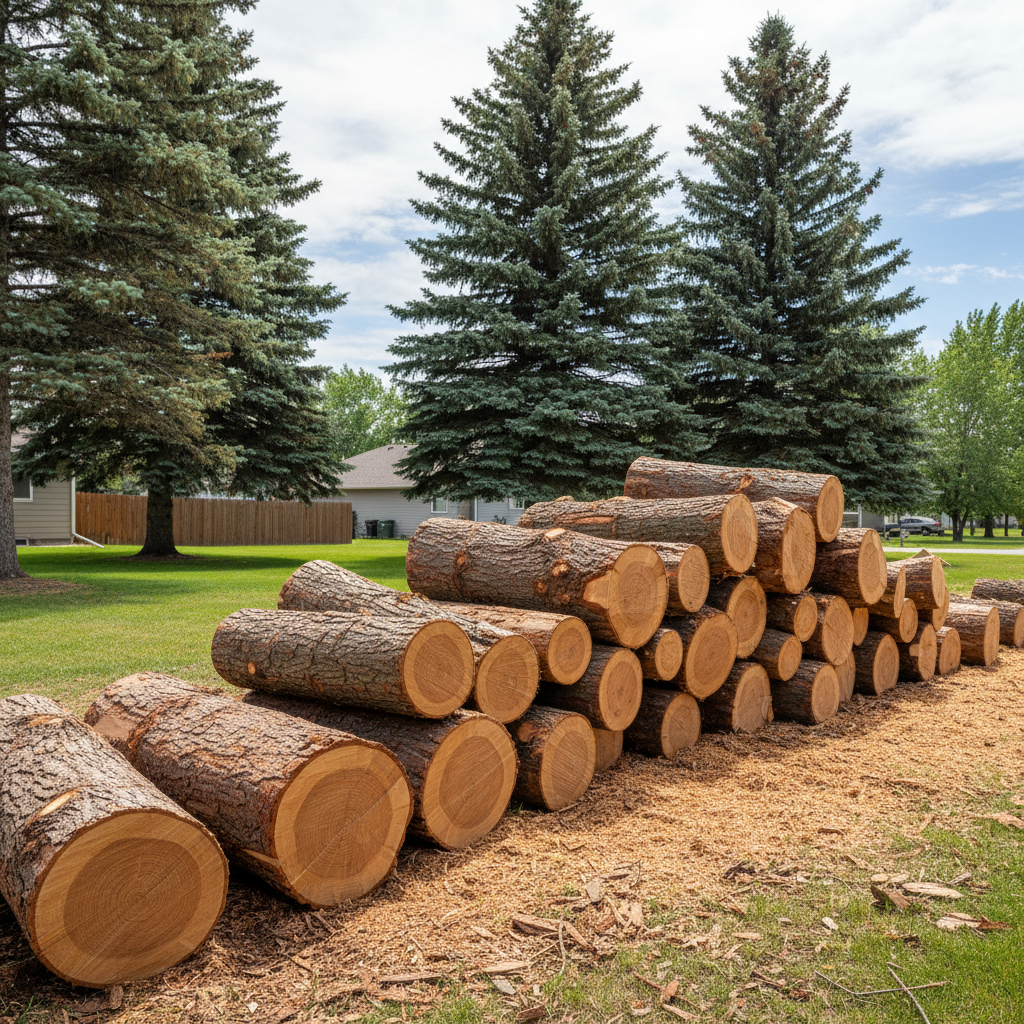
Do I need a permit to remove a tree in Meridian?
This is probably the first thing most folks ask me, and it's a good question because the answer isn't always a simple 'yes' or 'no.' In Meridian, like a lot of places, it really depends on a few things. If the tree sits on your private property and the city doesn't consider it a 'heritage' or 'significant' tree, then you likely won't need a permit. Most regular trees in your backyard, especially if they're not huge or in some protected area, are usually fine to remove without one. But here's the catch: if the tree is in the public right-of-way (you know, that strip of land between the sidewalk and the street, or sometimes even part of your front yard that the city owns), or if it's a very large, old tree that might be designated as significant, you absolutely need to check with the City of Meridian's Planning and Zoning Department. They're the only ones who can tell you for sure. I've seen folks get into trouble for not checking, especially if it's a tree that's providing shade for a public park or is part of a city beautification project. A quick call to the city is always better than dealing with fines or having to replant a tree you didn't mean to remove.
What's the deal with tree removal and property lines?
Ah, the classic neighbor dispute scenario. This comes up a lot, especially in older Meridian neighborhoods with mature trees that have been there forever. Generally, if the tree trunk is entirely on your property, it's your tree, and you're responsible for it. That means you can remove it (assuming you've checked on permits, as we just talked about). Things get tricky when a tree is on the property line, or if its branches or roots are extending significantly onto your neighbor's property. If the tree trunk straddles the property line, it's usually considered a 'boundary tree,' and both property owners have a shared interest in it. You'd need your neighbor's permission to remove it. If only branches or roots are crossing over, you generally have the right to trim them back to your property line, but you can't damage the tree in a way that would kill it. If you do, you could be liable. My advice? Talk to your neighbor first. Clear communication can save a lot of headaches and keep things friendly. If you can't agree, sometimes a certified arborist can help mediate or at least give an objective assessment of the tree's health and who's responsible for what.
How much does tree removal cost in Meridian?
This is probably the most common question I get, and it's also the hardest to give a one-size-fits-all answer to. The cost of tree removal varies a lot based on several factors. First, the size of the tree. A small ornamental tree is obviously going to cost less than a massive Ponderosa pine that's been growing for 50 years. Then there's the location. Is it easy to access with our equipment, or is it wedged between a house, a fence, and a shed? Trees in tight spots, especially in some of the newer subdivisions where houses are close together, need more specialized equipment and more time, which drives up the cost. The tree's health matters too. A dead or decaying tree can be more dangerous to remove because it's unstable, requiring extra precautions. Finally, stump removal is usually an extra service. We'll always give you a clear, written estimate after we've seen the tree in person. Don't trust anyone who gives you a quote over the phone without seeing the job. It's just not how we do business at Allgreen Tree Service Meridian because it's impossible to be accurate.
What's involved in the tree removal process?
When we come out to remove a tree, safety is our absolute top priority, for our crew, your property, and your neighbors. The first thing we do is assess the area, looking for potential hazards like power lines, fences, or structures. We'll set up a safe zone and make sure everyone knows to stay clear. Depending on the tree's size and location, we'll either climb the tree using ropes and harnesses, or use a bucket truck to reach higher sections. We start by removing branches from the top down, cutting them into manageable pieces and carefully lowering them to the ground. This is especially important for trees near homes or other delicate landscaping. Once the crown is gone, we'll work on the trunk, cutting it into sections. Sometimes, if there's enough space, we can fell the trunk in one piece, but usually, it's a section-by-section job. After the tree is down, we'll clean up all the debris, chipping the branches and hauling away the larger wood. We aim to leave your property cleaner than we found it.
Can I remove the tree myself to save money?
Look, I get it. Everyone wants to save a buck, and sometimes a DIY project feels satisfying. But tree removal, especially for anything more than a sapling, is not a DIY job for most homeowners. It's incredibly dangerous. You're dealing with heavy wood, sharp tools, heights, and unpredictable forces. One wrong cut, one misjudgment of weight, and you could seriously injure yourself, damage your home, or even worse. I've seen too many accidents that could have been avoided. We have specialized equipment, extensive training, and the right insurance to handle these jobs safely. We know how to assess a tree's lean, how to make proper cuts, and how to control the fall. Unless you're a trained arborist with all the right gear and experience, I strongly recommend against trying to remove a large tree yourself. The potential cost of an injury or property damage far outweighs any money you might save. It's just not worth the risk.
What time of year is best for tree removal?
Honestly, we can remove trees year-round. There isn't really a 'bad' time for tree removal from a practical standpoint, though some times are a little easier or have different considerations. During the dormant season, typically late fall and winter, trees have no leaves, which can make the job a bit cleaner and sometimes easier for visibility. Plus, the ground is often firmer, especially in Meridian's clay-heavy soils, which means less impact from our equipment. However, winter weather, like heavy snow or ice, can sometimes delay jobs for safety reasons. In the spring and summer, trees are in full leaf, which means more debris to clean up, but the weather is generally more predictable. If a tree is diseased or poses an immediate hazard, we'll remove it whenever it's necessary, regardless of the season. So, while winter might offer a slight advantage in terms of less foliage, the best time to remove a tree is usually when it needs to be removed, or when it's most convenient for you.